
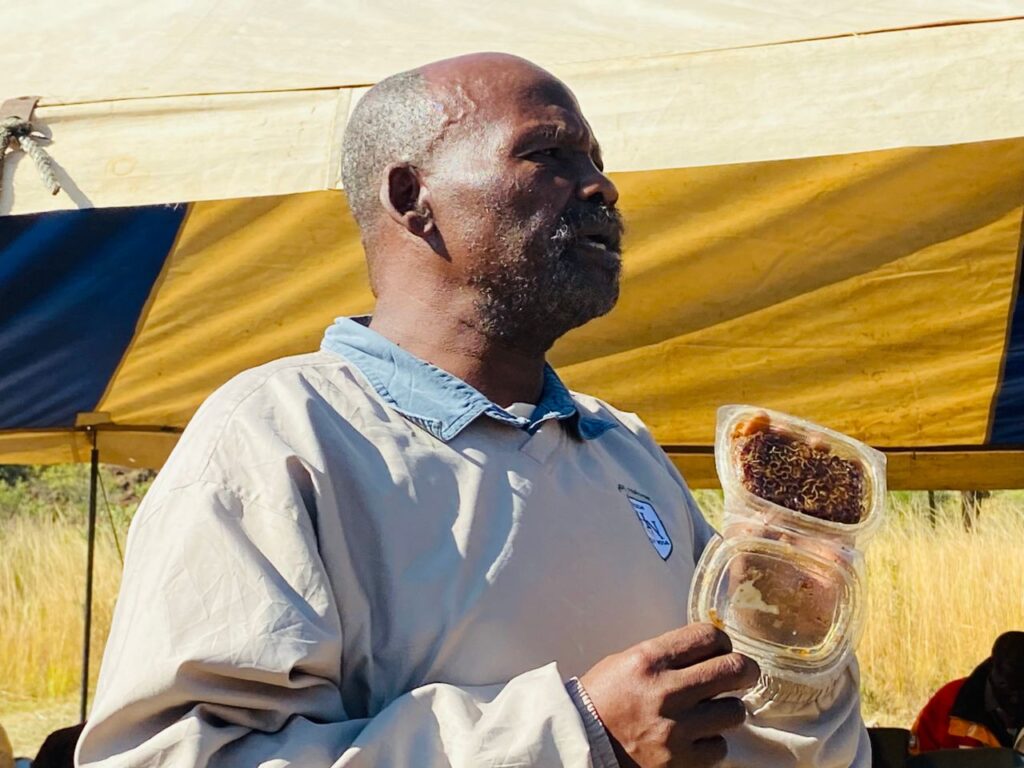
Picture this: beneath the shade of a marula tree in Mtsambama inkhundla, a community gathers, drawn by the promise of something new. The Umnotfo Wetfu Multi-Purpose Cooperative chair Mr Phefeni Victor Vilakati is at the front, honeycomb in hand, explaining not just the wonders of hive products like honey and beeswax, but the real-life opportunities that come with beekeeping. Eager questions buzz through the crowd—yet despite enthusiasm, many soon realize that support and guidance from government are still missing. The desire to start is there, but the path forward remains unclear.
This is where organizations like OWIT and Umnotfo can step in, offering practical, tailored beekeeping extension services to spark real, lasting change. Today, we explore why this matters, how success stories are already taking flight, and how you—whether a farmer, aspiring beekeeper, or community leader—can be part of Eswatini’s beekeeping movement.
Why Beekeeping Matters for Rural Eswatini
Beekeeping is more than a side hustle—it’s a lifeline with potential to transform rural livelihoods. For farmers accustomed to the seasonal risk of maize or cotton, beekeeping offers a new kind of resilience. Honey production provides a steady source of income, even during drought. Hive byproducts like beeswax, propolis, and royal jelly unlock additional opportunities for crafts and natural remedies.
In Eswatini, bees also pollinate key crops, boosting yields for subsistence and small commercial farmers alike. Studies across Southern Africa confirm what locals already suspect: integrating beekeeping can increase farm profits by up to 30%, while also strengthening the resilience of local food systems.
Yet perhaps most importantly, beekeeping draws on skills and traditions already present in the community. Many elders recall the old ways of wild honey harvesting—what’s needed now is the guidance to cultivate, manage, and market bees in a sustainable, profitable way.
Barriers at the Beehive: What’s Holding Back Aspiring Beekeepers?
Despite surging interest, real barriers remain for would-be beekeepers in Eswatini and beyond:
- Access to Starter Resources: Quality hives, protective gear, and healthy bee colonies are not always affordable or easy to find locally.
- Technical Know-How: Understanding how to maintain colonies, prevent diseases, and safely harvest hive products isn’t intuitive—missteps can discourage even the keenest beginners.
- Market Connections: Producing honey is only half the battle. Finding fair, reliable buyers and learning basics like packaging and branding are new skills for many rural farmers.
- Lack of Support: With no dedicated government extension officers focused on apiculture, farmers have nowhere to turn for practical help.
Without the right support, enthusiasm fizzles before the first harvest. That’s why extension services—putting expertise and resources directly into farmers’ hands—are so vital.
Real Stories: How Beekeeping Has Changed Lives
Let’s meet one aspiring Eswatini beekeeper
Seizing the Opportunity: Practical Steps for Grassroots Beekeeping
The growing interest in Eswatini presents a unique moment for organizations like Umnotfo Wetfu Multi-Purpose Cooperative and OWIT to make a difference. Here’s how the bee revolution can take flight:
1. Community Beekeeping Workshops
Host regular, hands-on training covering hive construction, bee health, safety, and seasonal management. Invite successful beekeepers to demonstrate best practices and share real-world tips.
2. Affordable Starter Packs
Partner with local suppliers or sponsors to offer starter kits that include hives, protective gear, smokers, and bee colonies at reduced or subsidized cost.
3. Local Mentorship Circles
Establish mentorship programs, pairing experienced local beekeepers with interested beginners—especially women and youth, who may otherwise lack access to such opportunities.
4. Quick-Response Help Channels
Create WhatsApp or call-in groups where farmers can quickly share issues (like disease outbreaks or swarms) and get timely expert advice.
5. Strengthen Market Access
Facilitate collective branding and sales, helping groups reach new markets, improve packaging, and increase bargaining power for hive products.
Conclusion: A Sweeter, Stronger Future—If We Work Together
Beekeeping in Eswatini isn’t just about producing honey—it’s about building community resilience, creating new income streams, and preserving local knowledge for future generations. The barriers are real, but so are the opportunities. With targeted extension services and grassroots leadership, every homestead could one day share in the harvest.
Let’s turn curiosity into capability, tradition into business, and collective knowledge into lasting impact.
Ready to Join the Beekeeping Movement?
Are you an aspiring beekeeper, an experienced apiculturist, or someone who simply believes in the power of grassroots development? We want to hear from you! Share your questions, experiences, or suggestions in the comments—or reach out to Umnotfo Wetfu Multi-Purpose Cooperative to join our next training in Eswatini.
Visit umBononje.blog for more inspiring stories and practical guides on beekeeping, agriculture, and community innovation across Eswatini. Let’s make this the year that Eswatini truly buzzes—with opportunity, enterprise, and the golden promise of the hive.